Insights
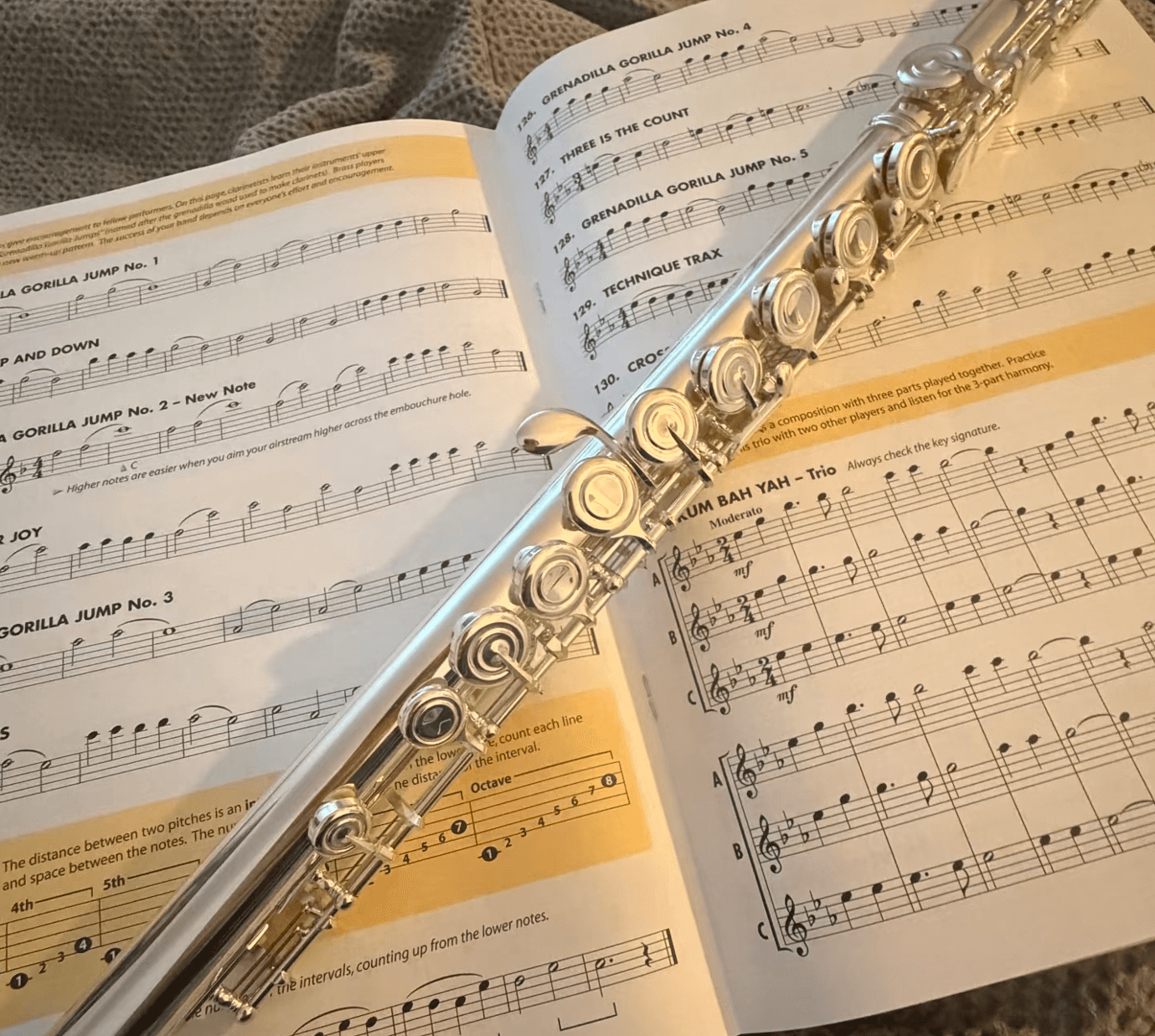
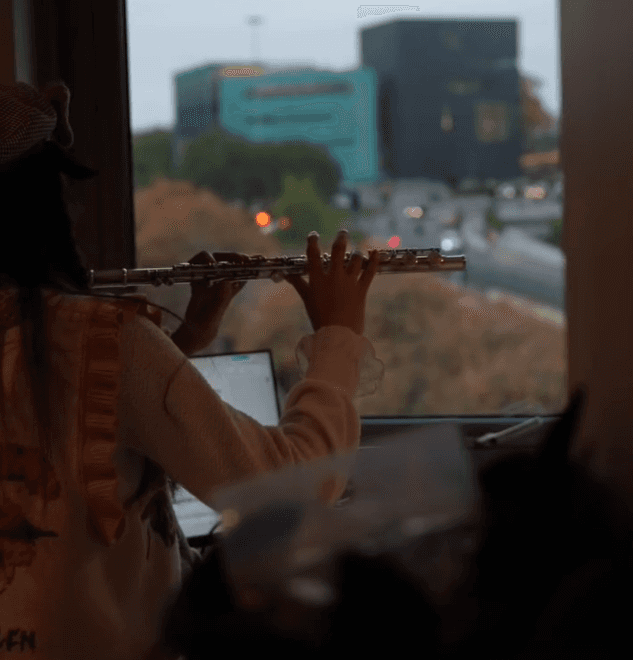
Long before I began studying landscape architecture, I was trained as a flautist for more than ten years. Music taught me to listen beyond melody—to rhythm, silence, timing and spatial resonance. Over time, I began asking a different question: if sound shapes how we experience the world, could it also become part of how we design cities? This curiosity gradually led me from music into the fields of inclusive design, soundscape research and sensory urbanism.
From Music to Inclusive Design
My interest in accessibility introduced me to broader discussions around inclusive urban design. While most design conversations focus on what cities look like, I became increasingly interested in how they sound, how people orient themselves through listening, and how different sensory experiences influence the feeling of belonging within public space.
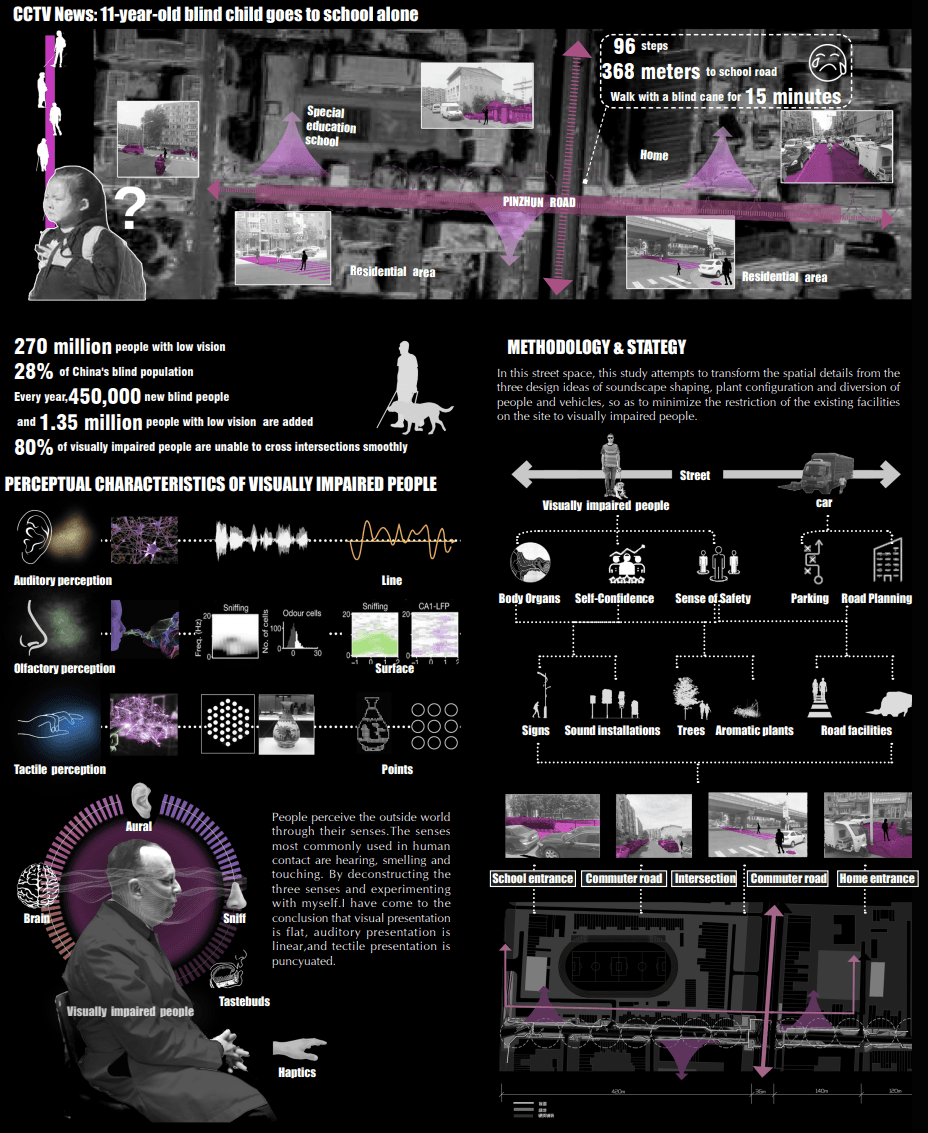


Research & Exploration: Multi-sensory Experience, Urban Soundscape, Inclusive Landscape Design
These interests have extended beyond personal curiosity into research and design practice. They have informed competition proposals, a Digital Futures Workshop exploring sensory urbanism, and a published Chinese journal paper investigating the relationship between sound, space and urban experience.
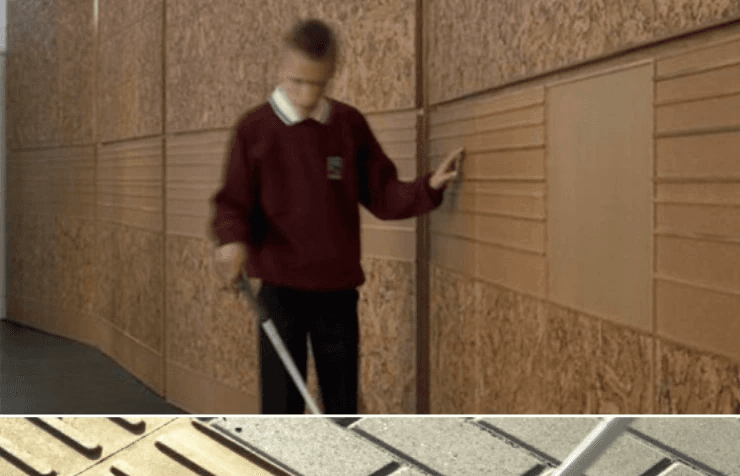
Through The Eyes Of The Blind:
How sensory landscape design supports Blind people’s daily lives
Through the Eyes of the Blind, sensory landscape design is often linked with visual aesthetics but should include all senses, creating experiences for people from diverse backgrounds. While architecture is theoretically a multisensory field involving various sensory elements, including texture, colour, sound, and aroma, practical emphasis is frequently on visual perception. This limits architecture exploration mainly to sight for identifying features and navigating built environments.
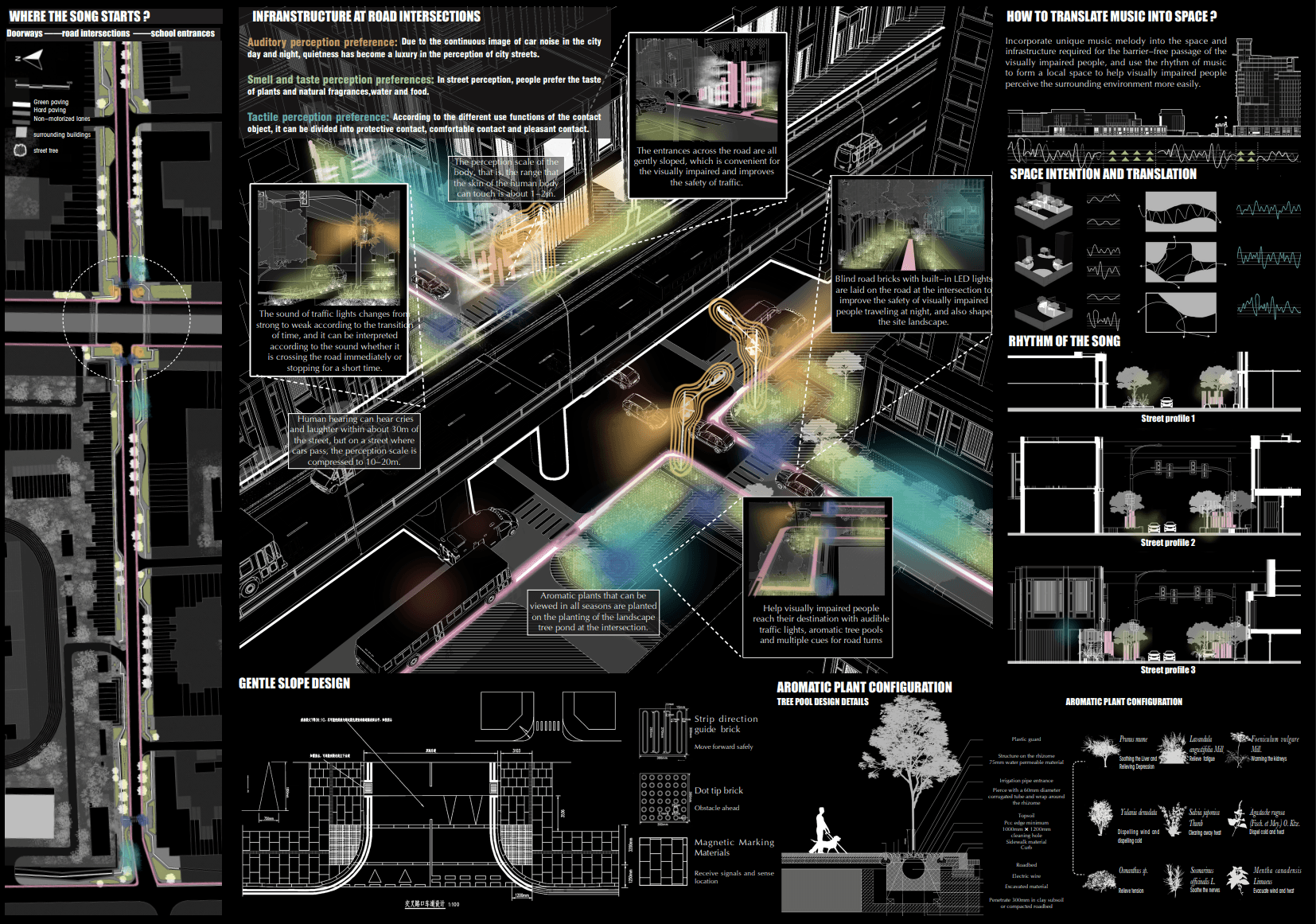
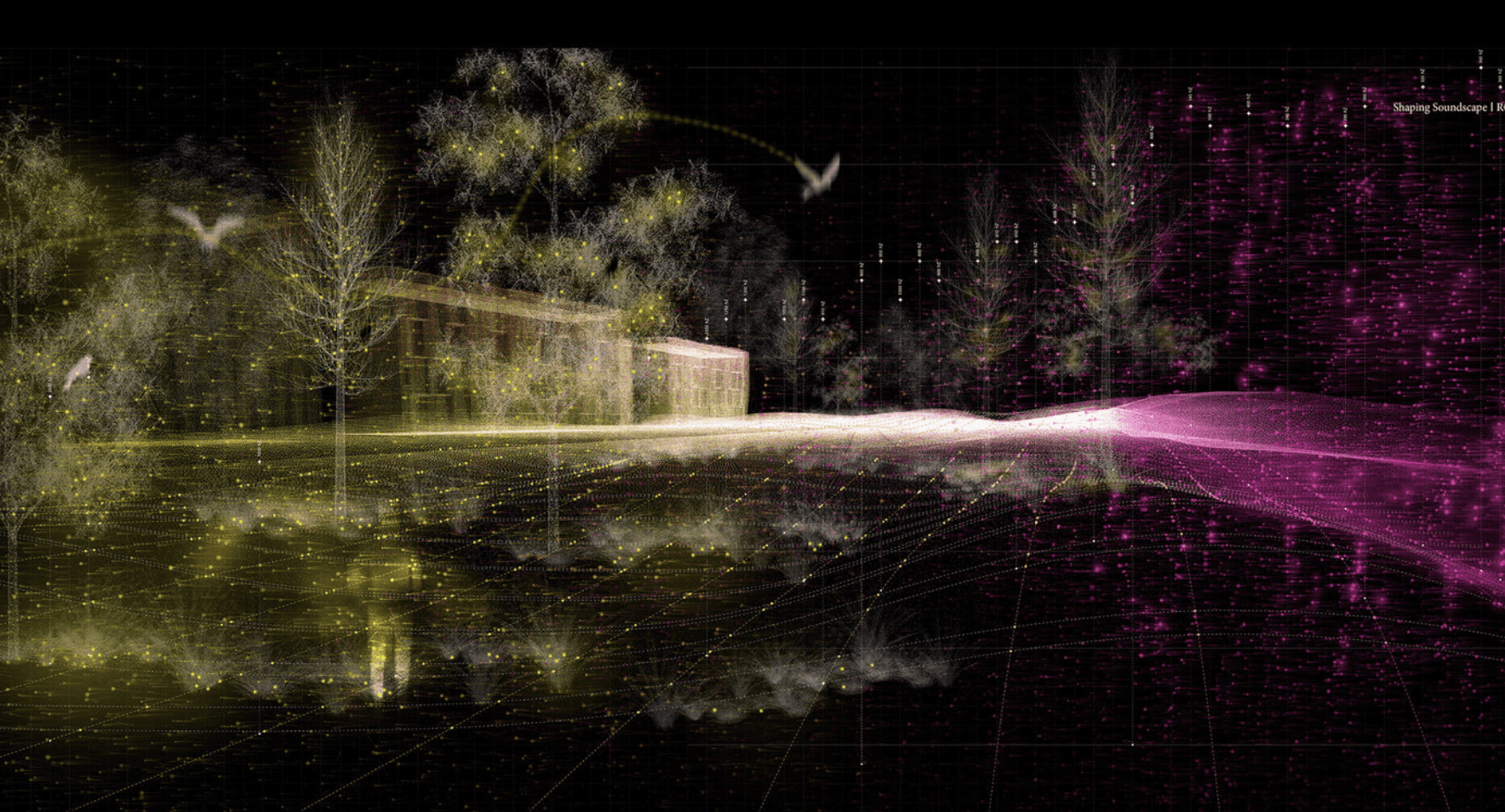
Why it matters to my design practice
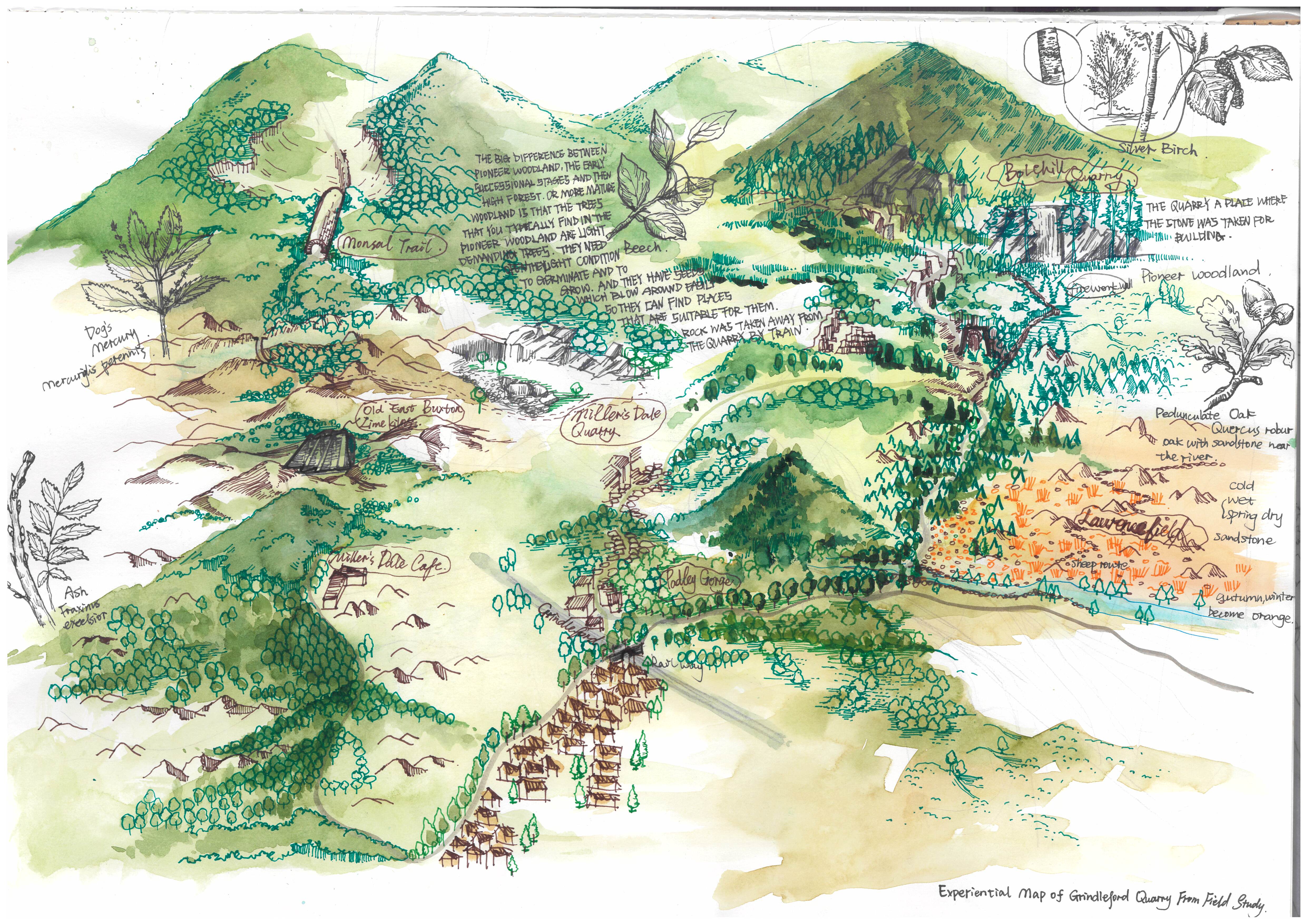
Today, listening has become part of my design process. Beyond analysing topography, ecology or movement, I try to understand the acoustic character of a place—its rhythms, moments of quietness, overlapping sounds and human interactions. I believe landscapes should not only be visually engaging, but also comfortable, legible and inclusive through multiple senses.
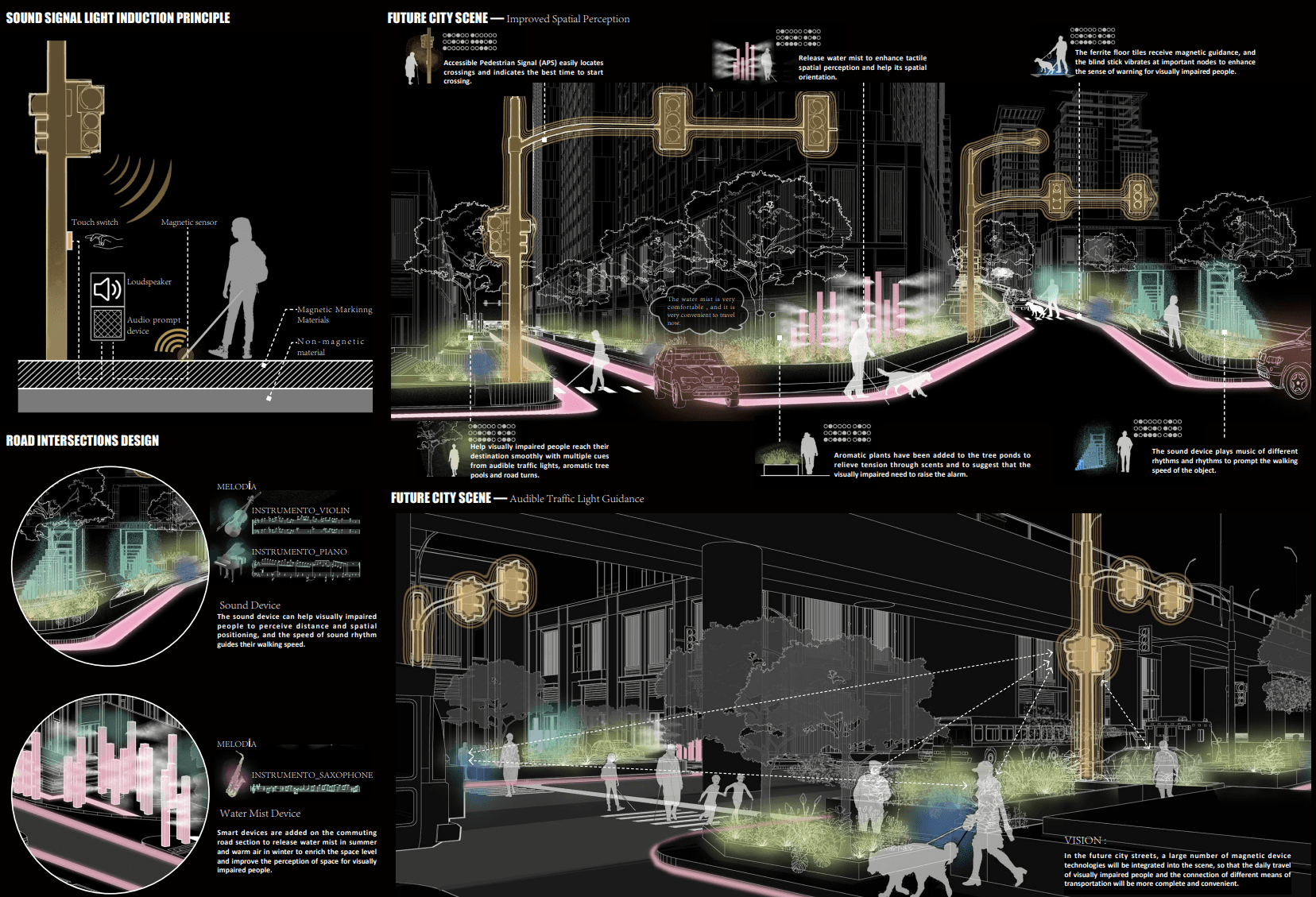
For me, listening is not simply hearing sound, it is a way of understanding people, places and the relationships between them.